
Attention Span Crisis: How to Reclaim Your Mind in the Digital Age
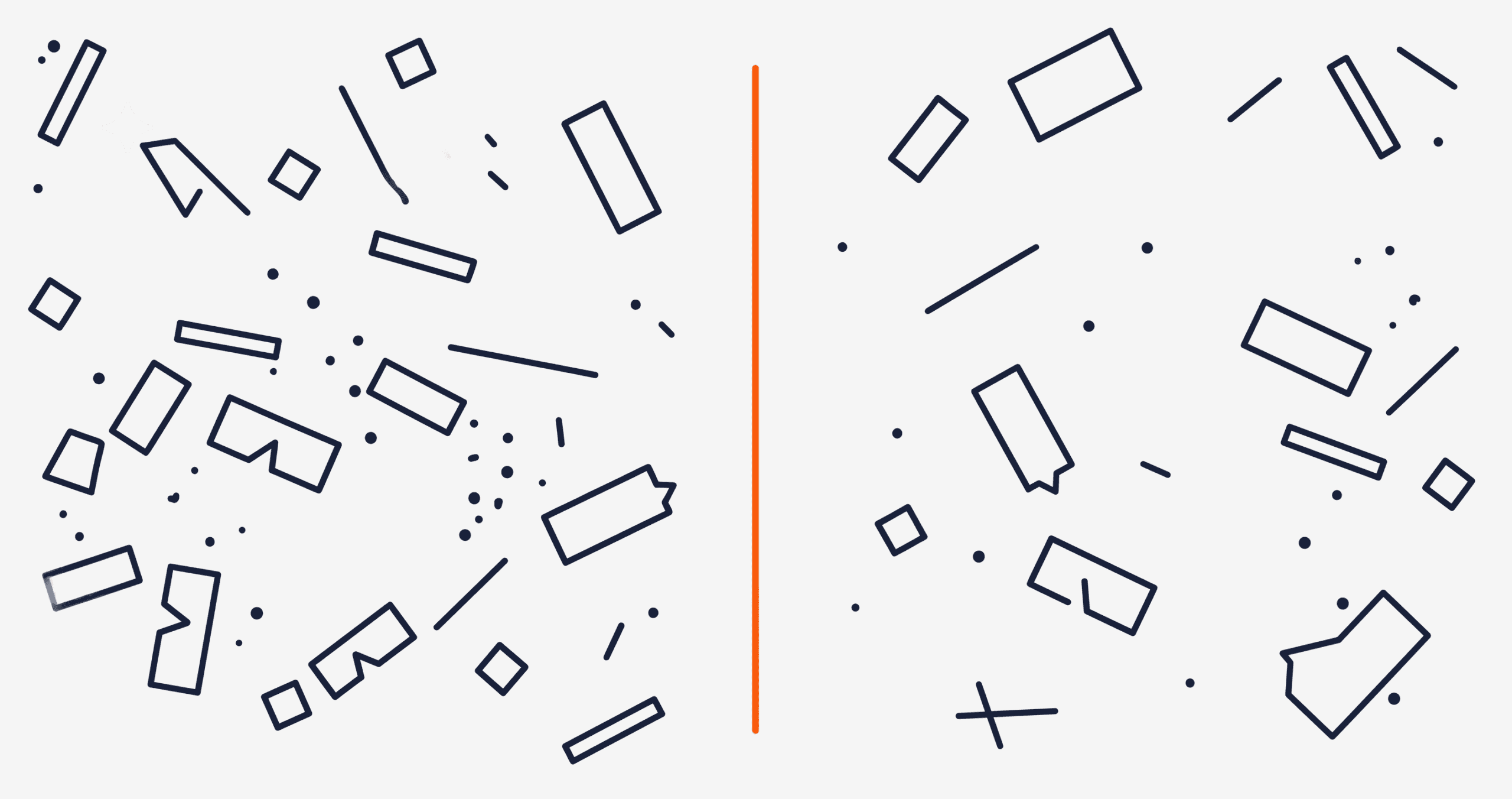
You’re reading this on a screen right now.
Chances are, before you even clicked the link you’d already blown past a blur of images, contradictory headlines, and some ad trying to sell you something. Your body is sitting still, but your mind is racing on a treadmill that never stops.
You feel that quiet, persistent exhaustion.
This isn’t an accident, and it’s not a personal failure. It’s by design. The digital world we live in wasn’t built to inform us. It was built to capture and keep our attention at all costs. It trains us to skim, to react, to chase the next little hit of stimulation until we’re full of information and empty of anything deeper.
We’re trying to find an anchor inside a machine that profits from manufacturing chaos.
If we want to reclaim a mind that can truly seek, we have to stop treating our attention like something that just replenishes itself. We have to treat it as the main battleground for our peace.
The Liturgy of the Algorithm
Most of us still think of our devices as neutral tools—glass and metal that do whatever we tell them. That’s a dangerous mistake.
These platforms aren’t neutral. They’re carefully engineered environments built by people who study how to hijack your mind. Every endless scroll, every red notification, every recommendation is tuned to pull on the same psychological levers that keep you coming back.
They’ve become modern liturgies—repeated practices that quietly shape what you love and how you think. When you check your phone dozens of times a day, you’re not just killing time. You’re training your brain to fear silence, to dread boredom, and to always chase the next shallow hit.
As we’ve seen in the framework of The Anchored Life, you can’t build real cohesion or inner order when the ground under your feet is always shifting. The algorithm feeds on that instability. It gives you a version of reality tailored to your own anxieties and desires, and it leaves you more isolated even while you’re “connected.”
The result is a culture that feels hyper-linked yet deeply lonely. We’re losing the ability to read slowly, to sit in silence, to think carefully. The algorithm doesn’t just want your time. It wants your mind.
The Symptom: The Loss of Stillness
The clearest sign of this quiet colonization is how unbearable silence has become.
Next time you’re stuck in a line, sitting at a red light, or hit a lull in conversation, watch what your hand does. The urge to reach for the phone is almost reflexive now.
We’ve started mistaking digital noise for rest. After a long, draining day we “unwind” by scrolling through short videos and rapid-fire headlines. It feels like relief for a moment, but it just leaves the mind more tired. You’re pouring conflicting emotional data into an already exhausted engine.
Because we’ve been taught to fear boredom, we’ve lost the space for real contemplation. And without that space, the seeking mind has nowhere to settle—let alone encounter the divine. The noise has become a wall between us and the Logos.
The Anchor: The Architecture of Meditation
The solution isn’t to smash your phone or move off-grid. The real antidote is replacing one liturgy with a better one.
In the Bible, meditation is active and demanding—quite different from the passive emptying found in some Eastern traditions.
Psalm 1:2-3 paints the picture clearly: “But his delight is in the law of the Lord, and on his law he meditates day and night. He is like a tree planted by streams of water…”
A tree—planted, steady, drawing from one deep source instead of a thousand shallow distractions.
Biblical meditation means deliberately anchoring your mind to one objective truth and staying there. It requires time. It requires the very thing the algorithm is designed to prevent: sustained, unbroken attention. You can’t skim the eternal. You have to stop, root yourself, and let the architecture of the Word slowly rebuild the fractured architecture of your mind.
The Intervention
The digital noise isn’t going to quiet down by itself. But you can build something strong enough to stand in it.
A few weeks ago I caught myself reaching for my phone during a quiet moment in the evening—again—and felt a sudden, sharp sadness. I realized how rarely my mind gets to rest in anything longer than a few seconds. That small moment was a wake-up call. If you’re tired of the algorithmic treadmill and want your capacity for deep focus back, you have to start disrupting the old pattern on purpose.
You can’t expect to live an anchored life if you never build the habits of stillness.
Read the full series
How to Find Stability in a Chaotic World: A Biblical Guide to the Anchored Life
If you’re finding it hard to connect with others even within your faith community, this piece on why believers feel lonely even at church speaks directly to that.
The Anchor Blueprint
The noise won’t stop on its own, but you can build a structure to withstand it. Enter your email to receive a quiet, 5-day architectural guide to biblical meditation and grounding. No spam, no noise. Just ancient wisdom for your daily routine.